
Speakers
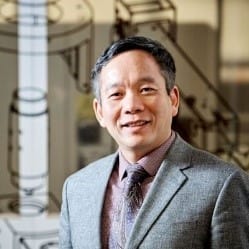
Professor Shane (Sheng Q) Xie
The University of Leeds
Talk: Robotics and AI for Effective Stroke Rehabilitation Treatment: Challenges and Opportunities
Prof Shane (Sheng Q) Xie, Ph.D., FRSNZ, FEngNZ, FIEEE, FASME, FIMechE and FAAIA, is the Chair of Robotics and Autonomous Systems and Director of the Rehabilitation Robotics Lab at the University of Leeds, and he was the Director of the Rehabilitation and Medical Robotics Centre at the University of Auckland, New Zealand (NZ, 2002-2016). He has >30 years of research experience in healthcare robotics and exoskeletons. He has published > 500 refereed papers and 8 books in rehabilitation exoskeleton design and control, neuromuscular modelling, and advanced human-robot interaction. He has supervised >15 postdocs, 100 PhDs and 80 MEs in his team with funding of >£30M from five countries since 2003. His team has invented three award-winning rehabilitation exoskeletons. He is an expert in control of exoskeletons, i.e. impedance control, adaptive control, sliding mode control, and iterative learning control strategies. He has received many distinguished awards including the David Bensted Fellowship Award, and the AMP Invention Award. He is an elected Fellow of Royal Society of New Zealand, Fellow of Engineering New Zealand, Fellow of IEEE, ASME, IMechE and AAIA. He was the Technical Editor for IEEE/ASME Transaction on Mechatronics, Associate Editor for Mechatronics Elservier and Editorial member of many top journals in Mechatronics and Robotics.
Professor Dan Zhao
The University of Canterbury
Talk: PINNs-derived Van der Pol Oscillators Simulating and Predicting Bifurcation and Amplitude Death Characteristics of Combustion Instabilities
Prof. Dan Zhao is the Director of Master Engineering at University of Canterbury, and Strategic Evaluation Panel member of Royal Society of New Zealand. He serves on a number of scientific journals as the Chief and Associate Editor like Progress in Aerospace Sciences. Professor Zhao has been awarded with 12 fellowships from Royal Society Te Apārangi, Engineering New Zealand, US National Academy of Artificial Intelligence, European Academy of Sciences and Arts, European Academy of Sciences, Royal Aeronautical Society, Royal Society of Chemistry as well as Distinguished Fellow of International Institute of Acoustics & Vibration. His research expertise/interests include turbomachineries, aeroacoustics, UAV aerodynamics; propulsion; ammonia/hydrogen combustion science/technology. By now, Prof. Zhao has secured funding over $18.5 million.
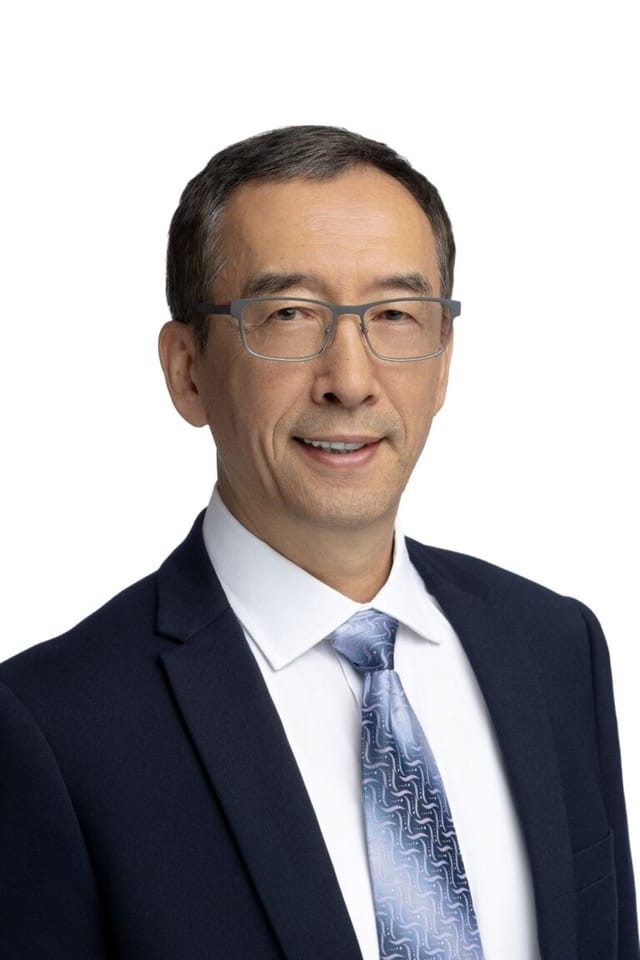
Professor Xun Xu
The University of Auckland
Talk: How are Industry 4.0, Industry 5.0 and AI Reshaping Manufacturing?
Professor Xun Xu is a leading expert in Smart Manufacturing at the University of Auckland, New Zealand, with over 40 years of experience in the field. His research spans intelligent and interoperable machining systems, cloud-based manufacturing, and smart factories, earning him international recognition.
Dr. Xu has published over 460 research papers and received almost 40,000 citations with an h-index of 89 in Google Scholar. He leads the Laboratory for Industry 4.0 Smart Manufacturing Systems (LISMS), New Zealand’s only research lab dedicated to Industry 4.0. His current research focuses on smart factories, digital twins, and cloud manufacturing.
A Fellow of the Society of Manufacturing Engineers (SME), American Society of Mechanical Engineers (ASME), and Engineering New Zealand (EngNZ), Dr. Xu was recognized as a Clarivate™ Highly Cited Researcher (2020) and named among the “20 Most Influential Professors in Smart Manufacturing” by SME. He currently serves on the Board of Directors of the North American Manufacturing Research Institution of SME (NAMRI | SME) and chairs the NAMRI | SME Scientific Committee.
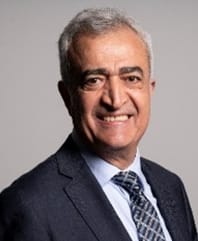
Professor Gursel ALICI
The University of Wollongong
Talk: Human-Centered Mechatronics: Significance of Mentoring our Early/Mid-Career Staff and Students
Professor Gursel ALICI received the Ph.D. degree in robotics from the Department of Engineering Science, Oxford University, Oxford, U.K., in 1994.
He is currently a Senior Professor with the University of Wollongong, Wollongong, NSW, Australia, where he holds the position of the Executive Dean of the Faculty of Engineering Information Sciences, and director of Applied Mechatronics and Biomedical Engineering Research (AMBER) Group. His research interests include soft robotics, system dynamics and control, robotic drug delivery systems, novel actuation concepts for biomechatronic applications, robotic mechanisms and manipulation systems, soft and smart actuators and sensors, wearable human-machine interface (HMI) systems, and medical robotics. He has generated more than 450-refereed publications and delivered numerous invited seminars and keynote/plenary talks on his areas of research.
Dr. Alici was a Senior Editor and Technical Editor for the IEEE/ASME Transactions on Mechatronics during 2020–2024 and 2008–2012, respectively. From 2007 to 2017, he was a Member of the Mechatronics National Panel formed by the Institution of Engineers, Australia. He has served on the international program committee of numerous IEEE/ASME International Conferences on Robotics and Mechatronics. He was the General Chair of the 2013 IEEE/ASME International Conference on Advanced Intelligent Mechatronics held in Wollongong, Australia. He was the recipient of the Outstanding Contributions to Teaching and Learning Award in 2010, the Vice-Chancellor’s Interdisciplinary Research Excellence Award in 2013, and Vice-Chancellor’s Award for Research Supervision in 2018 from the University of Wollongong. He was a Visiting Professor with Swiss Federal Institute of Technology, Lausanne (2007, 2010), City University of Hong Kong (2014), University of Science and Technology of China (2015), and University of British Columbia, Canada (2019).
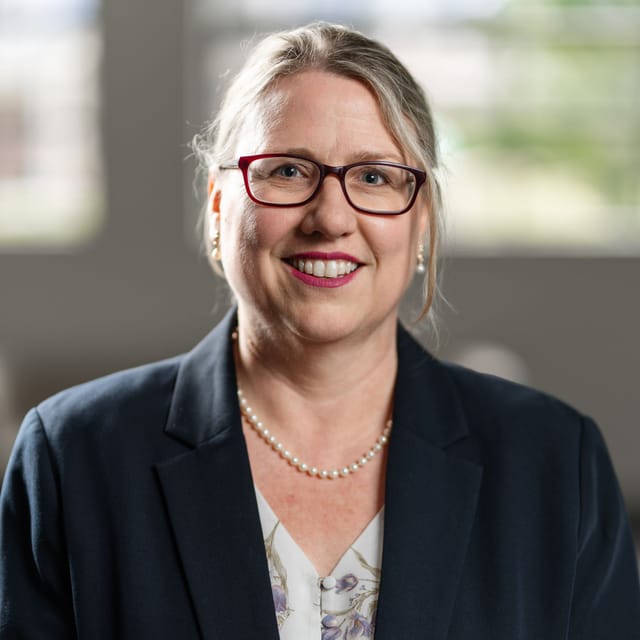
Professor Tava Olsen
The University of Melbourne
Talk: AI and Innovation in Agriculture
Tava Olsen is the Deputy Dean and Professor of Operations and Supply Chain Management at Melbourne Business School. A native New Zealander, she received her BSc (Honours) in Mathematics from the University of Auckland and her PhD in Operations Research from Stanford University.
She previously held academic positions at the University of Michigan and Washington University’s Olin Business School, and later served at the University of Auckland Business School as the Ports of Auckland Chair of Operations and Supply Chain Management and Director of the Centre for Supply Chain Management.
Professor Olsen’s research focuses on stochastic and economic modelling of production, service, agricultural, and health systems. She has published widely in leading journals and served as Area Editor for Operations Research (2018–2023) and President of the Manufacturing and Service Operations Management Society.
Professor Stefan K. Bohlande
The University of Auckland
Talk: The Genomics Revolution
Prof. Stefan K. Bohlander is a physician scientist and board certified human geneticist who trained in Germany (Freiburg and Göttingen). He is a fellow of the Faculty of Science of the Royal College of Pathologist of Australasia in genetic pathology and medical genomics. He has a distinguished track record in the field of human genetics and leukaemia genetics over a 35-year period, with more than 200 peer-reviewed research publications in international journals (H-index: 65).
Stefan worked with Prof. Janet Rowley at The University of Chicago, cloning several leukaemia-associated fusion genes. He held professorships at the University of Munich and the University of Marburg, where he was the director of the Institute of Human Genetics, before he accepted his current position as the Marijana Kumerich Chair of Leukaemia and Lymphoma Research at the University of Auckland in 2013.
He heads the Leukaemia & Blood Cancer Research Unit (LBCRU) in the Department of Molecular Medicine and Pathology, is the scientific director of Grafton Clinical Genomics and one of the founders of the Precision Medicine Initiative at the University of Auckland.
His research group has established murine and zebrafish leukaemia models, and developed a 110 gene panel for myeloid malignancies, which has been used to analyse more than 660 patient samples from Auckland City Hospital since 2019.
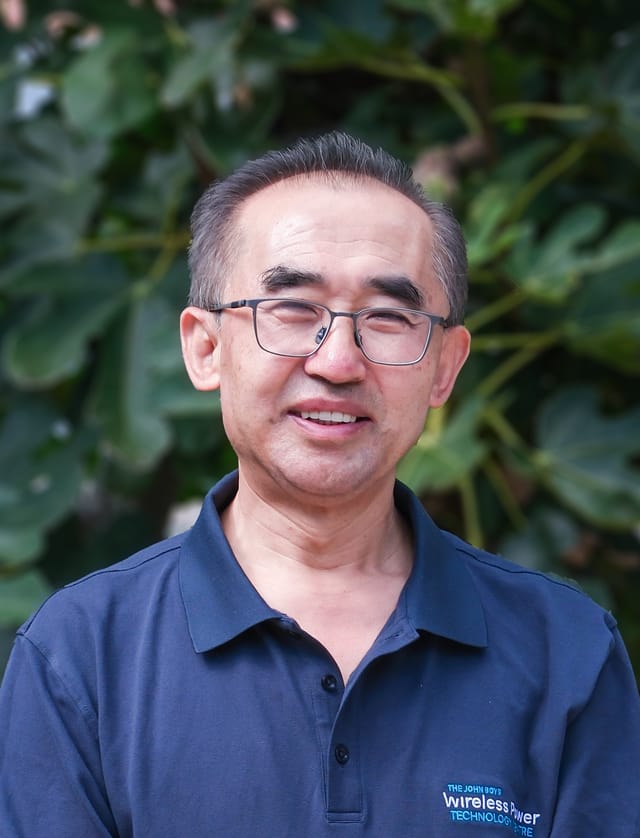
Professor Aiguo Patrick HU
The University of Auckland
Talk: Development Trends of Modern Power Supplies in relation to Wireless Power Transfer Technologies
Dr. Aiguo Patrick HU is a full professor in the Department of Electrical, Computer, and Software Engineering, the University of Auckland, New Zealand. He graduated from Xian Jiaotong University with BE and ME, Ph.D from the University of Auckland, and conducted postdoc research in National Univ of Singapore. He holds more than 50 patents in wireless/contactless power transfer technologies, published over 350 peer reviewed journal and conference papers, and authored the first monograph on wireless inductive power transfer technology. He has been awarded the Univ of Auckland VC’s Funded Research and Commercialization Medal in April 2017, and serve as the Co-director of Wireless Power Initiative Group of IEEE Future Directions Committee, and also Co-director of John Boys Interdisciplinary Wireless Power Research Centre at the University of Auckland. Patrick’s research interests include wireless/contactless power transfer technologies, and application of power electronics in renewable energy systems.
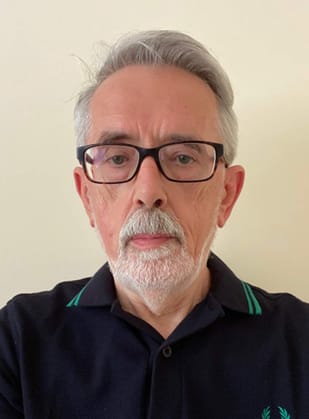
Professor Zoran Salcic
The University of Auckland
Talk: Trends and Future of Cyber-Physical Systems Software
Zoran received the B.E., M.E., and Ph.D. degrees in electrical and computer engineering from Sarajevo University in 1972, 1974, and 1976, respectively. He is a Professor and the Chair of Computer Systems Engineering at University of Auckland. He has published more than 500 peer-reviewed journal and conference papers, and several books in IEEE, ACM, Elsevier and Springer journals. His main research interests include various aspects of cyber-physical systems that include complex digital systems design, custom-computing machines, design automation tools, hardware/software co-design, formal models of computation, sensor networks and Internet of Things, languages for designing concurrent and distributed systems and their applications such as industrial automation, intelligent buildings and environments, and collaborative systems with service robotics, early use of neural networks and machine learning and many more. He is a Fellow of the Royal Society of New Zealand and a recipient of the Alexander von Humboldt Research Award in 2010. He is a life senior member of IEEE. Zoran took part in establishment of one of the first world's computer engineering degrees at Sarajevo University (Yugoslavia) in 1972 and the first computer systems engineering degree in New Zealand at University of Auckland in 1996. He has written several pioneering books on microprocessors, digital design and custom computing machines using FPGAs and hardware description languages, embedded systems with formal models of computations etc.
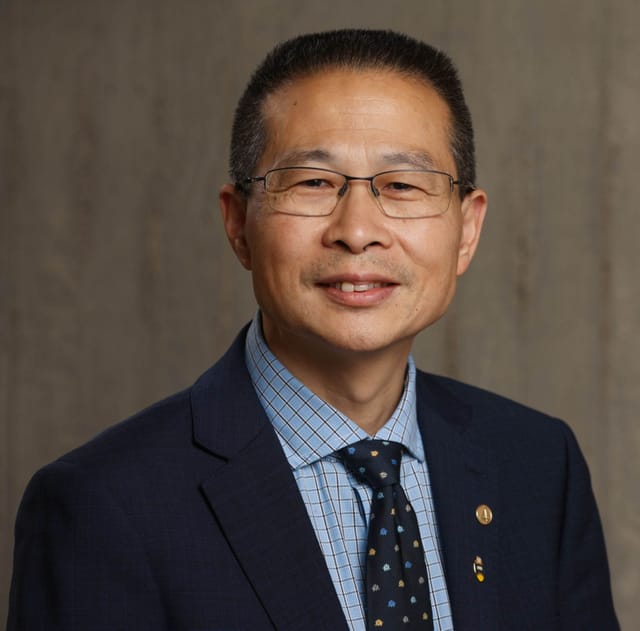
Professor Wei Zhang
Flinders University, Australia
Talk: Biomanufacturing of Marine Bioactives for Human Health and Nutrition toward Circular Blue Bioeconomy
Professor Wei Zhang is an internationally recognised leader in sustainable biotechnology and advanced biomanufacturing, with over 30 years of experience at the intersection of science, industry, and policy. He has played a pioneering role in developing Australia’s high-value marine bioproducts sector and advancing the global blue bioeconomy.
As Bid Lead and Founding Research Director of the A$270 million Marine Bioproducts Cooperative Research Centre, Prof Zhang has led large-scale international collaborations linking government, academia, and industry. He is also Founding Director of the Centre for Marine Bioproducts Development and President of the Asia-Pacific Society of Marine Biotechnology.
His research focuses on sustainable biomanufacturing, bioactive innovation, and circular bio-industries. He has published over 300 papers and is a Fellow of the Australian Academy of Technological Science and Engineering, as well as a finalist for the Australian Eureka Prize for Leadership in Science and Innovation.
A highly sought-after keynote speaker, Prof Zhang is committed to empowering the next generation to translate scientific discoveries into impactful, real-world solutions.
Associate Professor David Budgett
The University of Auckland
Talk: Medical devices, innovation and regulation, keeping the pace up
Associate Professor David Budgett is a biomedical engineer with over 35 years’ experience in research and two decades focused on developing medical devices that deliver real impact in patient care. Trained in electrical engineering at the University of Canterbury, with a PhD from Imperial College London, his work has spanned cardiac electrophysiology, photonic image processing, and the development of implantable and wearable technologies.
Based at the Bioengineering Institute, University of Auckland, David works at the intersection of medical device innovation and regulation—navigating the path from clinical need through novel technology to clinically viable solutions. He has been involved in five startup companies, contributing across technology development, quality systems, and commercialisation.
He brings a practical perspective on how to keep pace with innovation while meeting regulatory demands, and believes that success ultimately comes down to building and working with outstanding teams.
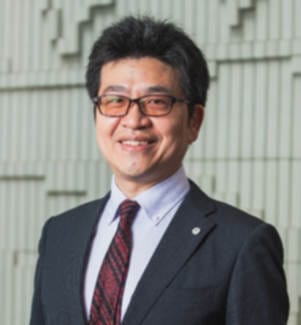
Professor Mianxiong Dong
Muroran Institute of Technology, Japan
Talk: Frontiers of Computational Intelligence in Biomedicine
Mianxiong Dong received B.S., M.S. and Ph.D. in Computer Science and Engineering from The University of Aizu, Japan. He was the Vice-president of Muroran Institute of Technology, now is the Director and Professor of Center for Computer Science. He was a JSPS Research Fellow with School of Computer Science and Engineering, The University of Aizu, Japan and was a visiting scholar with BBCR group at the University of Waterloo, Canada supported by JSPS Excellent Young Researcher Overseas Visit Program from April 2010 to August 2011. Dr. Dong was selected as a Foreigner Research Fellow (a total of 3 recipients all over Japan) by NEC C&C Foundation in 2011. He is the recipient of The 12th IEEE ComSoc Asia-Pacific Young Researcher Award 2017, Funai Research Award 2018, NISTEP Researcher 2018 (one of only 11 people in Japan) in recognition of significant contributions in science and technology, The Young Scientists’ Award from MEXT in 2021, SUEMATSU-Yasuharu Award from IEICE in 2021, IEEE TCSC Middle Career Award in 2021. He is Clarivate Analytics 2019, 2021, 2022, 2023, 2025 Highly Cited Researcher (Web of Science) and Foreign Fellow of Engineering Academy of Japan (EAJ).
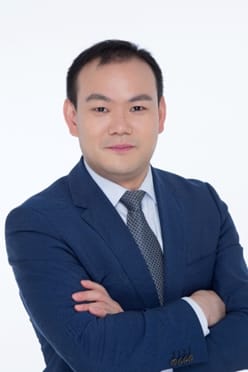
Professor Jinjun Chen
Swinburne University of Technology, Australia
Talk: Composite DP: Bounded and Unbiased Composite Differential Privacy
Dr Jinjun Chen is a Professor from Swinburne University of Technology, Australia. He holds a PhD in Information Technology from Swinburne University of Technology, Australia. His research interests include data privacy and security, cloud computing, scalable data processing, data systems and related various research topics. His research results have been published in more than 300 papers in international journals and conferences. He received various awards such as IEEE TCSC Award for Excellence in Scalable Computing and Australia’s Top Researchers. He has served as an Associate Editor for various journals such as ACM Computing Surveys, IEEE TC, TCC and TSUSC. He is a MAE (Academia Europea), IEEE Fellow (IEEE Computer Society), AAIA Fellow, AIIA Fellow. He is Chair for IEEE TCSC (Technical Community for Scalable Computing).
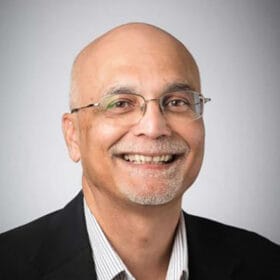
Professor M. Jamal Deen
McMaster University, Canada
Talk: Smart Sensing and AI Towards Ubiquitous Healthcare
M. Jamal Deen is a Distinguished University Professor at McMaster University in Canada and a Chair Professor at the School of Computer Science and Artificial Intelligence, Zhengzhou University. He has been elected Fellow or Academician of 13 national academies and professional societies, including the Royal Society of Canada, the Chinese Academy of Sciences (Foreign Member), the Canadian Academy of Engineering, the Engineering Institute of Canada, and the IEEE.
From 2015 to 2017, he served as President of the Royal Society of Canada. His main research areas include data analytics for human–machine–object systems, nano/optoelectronics, and their applications in health and environmental sciences.
To date, he has published more than 900 high-quality papers, authored two textbooks, and holds six patents that have been widely adopted in industry. He has received numerous prestigious awards, including the Order of Canada from the Government of Canada, the Eadie Medal from the Royal Society of Canada, and several IEEE Canada awards such as the Ham Education Medal, the McNaughton Gold Medal, the Fessenden Medal, and the Gottlieb Medal. He has also received the President’s Award for Graduate Supervision at McMaster University and the Humboldt Research Award from the Alexander von Humboldt Foundation in Germany.
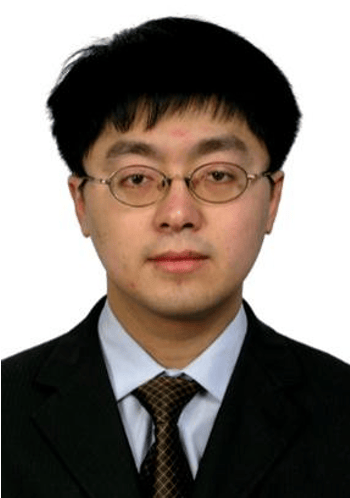
Professor Xin Dai
Chongqing University
Talk: Future of Wireless Power Transfer Research and Applications
Prof. Xin Dai is a leading researcher in Wireless Power Transfer (WPT) and nonlinear control in Power Electronics, significantly contributing to both Wireless Power Transfer theory methods and engineering applications. His research interests include wireless power transmission technology and power electronic nonlinear control. At present, he is the deputy director of the National Joint Research Center for Wireless Power Transfer Technology of China and general secretary of Wireless Power Transfer committee of China Power Supply Society, expert member of the China Energy Society. He was selected as an excellent talent support program for Chongqing Higher Education Institutions. he has been in charged of 3 projects of the National Natural Science Foundation of China, 2 Chongqing International Cooperation Platform Projects, 2 Chinese Postdoctoral Funds. He was awarded the second prize on technical invention from Chongqing government (ranked 1st), and the second prize science and technology progress from the Ministry of Education (ranked 2nd), the second prize on Science and Technology Progress Award from China Power Supply Society (ranked 1st). He owns 57 China patents on Wireless Power Transfer technology and has published more than 100 SCI/EI indexed papers.
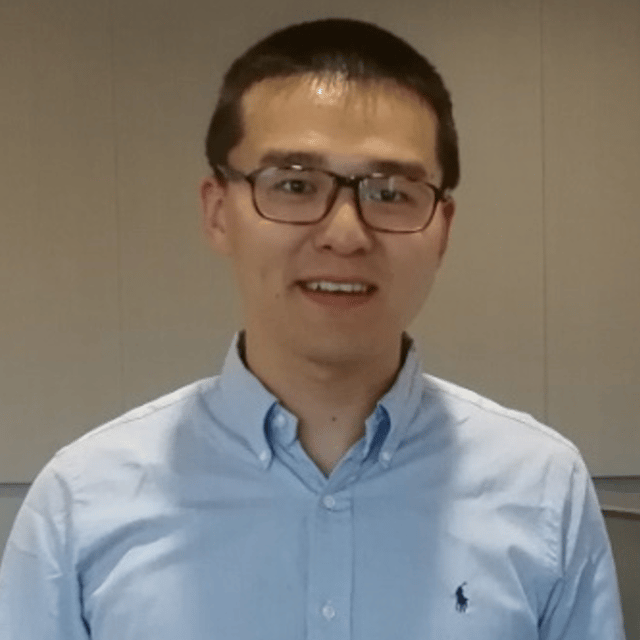
Associate Professor Ziyun Wang
The University of Auckland
Talk: Rational Catalyst Design for CO2 Electrochemical Reduction Reaction
Assoc. Prof. Ziyun Wang is a computational chemist specializing in theoretical catalysis and machine learning. He began his research career in theoretical catalysis at the Queen’s University of Belfast and the University of Manchester under the guidance of Prof. Peijun Hu and Prof. Chris Hardacre. This was followed by postdoctoral research with Prof. Jens Nørskov and Prof. Thomas Bligaard at Stanford University and with Prof. Edward Sargent at the University of Toronto. In 2021, Dr. Wang joined the School of Chemical Sciences at the University of Auckland, where he is now a Associate Professor. A/Prof. Wang has published 185 peer-reviewed papers and one book chapter, including corresponding-author papers in Nature, Science, Nature Catalysis, Nature Energy, Nature Chemistry, Nature Synthesis, Nature Sustainability, Nature Communications, Journal of the American Chemical Society, Angewandte Chemie, Advanced Materials, and other leading journals. His work has received more than 20,000 citations, with an h-index of 62. He has been recognised as a Global Highly Cited Researcher (Clarivate Analytics) since 2024.
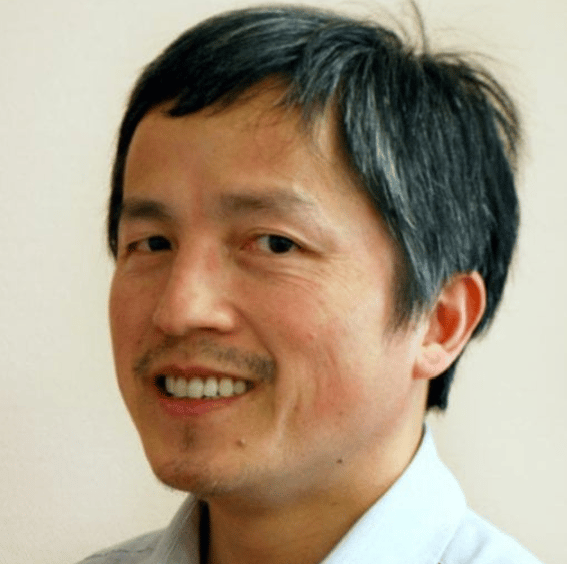
Professor Peng Cao
The University of Auckland
Talk: Green and Selective Recovery of Critical Metals from Lithium-ion Battery Waste
Professor Peng Cao is a Professor in the Department of Chemical and Materials Engineering at the University of Auckland, New Zealand, where he also serves as the Director of the Master of Materials Engineering programme. He is additionally an Associate Investigator at the MacDiarmid Institute for Advanced Materials and Nanotechnology. Professor Cao’s pioneering research focuses on developing novel materials for energy storage and sustainable technologies. Backed by prominent grants including the Marsden Fund and MBIE Smart Ideas, his research group focuses on advancing next-generation clean energy solutions. His major achievements include developing high-entropy oxide anode materials and solid-state electrolytes for lithium-ion batteries, which significantly improve energy capacity and lifespan for electric vehicles and clean energy storage. Throughout his distinguished academic career, which includes positions at the University of Waikato and the National University of Singapore, Professor Cao has published hundreds of highly cited peer-reviewed articles. He is also the co-editor of the definitive text Advanced Ceramics for Energy Storage, Thermoelectrics and Photonics (Elsevier). His scientific and commercialization impacts have earned him prestigious accolades, including the Henry Marion Howe Medal from the American Society for Metals (ASM), the KiwiNet Research Commercialisation Collaboration Award, and the University of Auckland Early Career Research Excellence Award. He holds a PhD in Materials Engineering from the University of Queensland, following his BE (Hon) and ME degrees from Xi'an Jiao Tong University and Shanghai Jiao Tong University.